
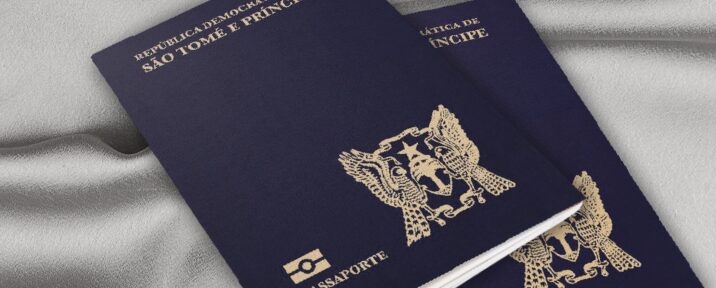
Sao Tome vs Nauru Passport: A Comparative Analysis
The global landscape of passports is diverse, each country issuing its documentation with distinct features and privileges. When comparing the Sao Tome vs Nauru Passport Travel Sao Tome Passport with the Nauru passport, one finds a myriad of factors to consider, including visa-free access, reputation, utility, and the process through which these passports are obtained. In this article, we delve into the intricacies of both passports, offering insights that aspiring travelers and expatriates can use to make informed decisions.
Overview of Sao Tome and Nauru
Sao Tome and Principe is a small island nation located in the Gulf of Guinea, off the western coast of Africa. It is known for its lush landscapes, rich biodiversity, and vibrant culture. Despite its small size, Sao Tome boasts an interesting history and a burgeoning tourism sector.
Nauru, on the other hand, is the third smallest country in the world, known for its phosphate mining in the past. This tiny island nation in the central Pacific Ocean has a population that is predominantly of Nauruan descent. Both nations face unique challenges and opportunities, influencing the effectiveness of their passports on the global stage.
Visa-Free Travel Options
One of the primary aspects to consider when evaluating a passport is its visa-free travel options. A passport’s strength is often defined by how many countries its holders can enter without a visa or obtain a visa upon arrival.
The Sao Tome passport provides access to a range of countries, particularly in Africa and parts of Latin America and Asia. It allows visa-free access to nations like Israel, Russia, and certain Caribbean countries. However, travelers may still encounter difficulties in entering certain regions, especially within Europe and North America.
Conversely, the Nauru passport has limited visa-free access, primarily due to Nauru’s small size and lesser international recognition. Nauru passport holders can visit countries such as Micronesia, Malaysia, and some Pacific Island nations without a visa. Nevertheless, entry into larger economies often comes with strict visa requirements.
Reputation and Travel Experience
The reputation of a passport can significantly affect the travel experience of its holders. While both Sao Tome and Nauru may have their own charm, the perceived global standing of a passport can influence how easily travelers can navigate through international borders.
The Sao Tome passport may carry a bit more weight in international discussions and negotiations, given the country’s membership in various international organizations, including the African Union and the Community of Portuguese Language Countries. This representation may ease obstacles faced by Sao Tome passport holders during their travels.

On the flip side, Nauru’s passport is generally less recognized on the international stage, potentially leading to more obstacles for its holders when traveling abroad. This dissimilarity can affect the general travel experience, making it more cumbersome for Nauruan citizens to embark on international journeys.
Acquisition Process
Obtaining a passport is a process fraught with varying levels of difficulty, depending on the country’s regulations. Sao Tome’s passport acquisition process involves several steps, including providing proof of citizenship, identification, and often proof of residency or ties to the nation. The country’s immigration policies can change, impacting the ease and requirements for obtaining a passport.
In comparison, the Nauru passport application process is simpler, but the eligibility criteria can be strict. Applicants must be citizens of Nauru, which sometimes requires navigating through bureaucratic channels. The deadlines and documentation required can vary, and those interested in acquiring a Nauru passport should stay informed about the requirements, which can evolve over time.
Practical Benefits of Each Passport
While the theoretical understanding of a passport’s strength is important, practical benefits are the most crucial for travelers. Holding a passport from Sao Tome can significantly benefit those wishing to travel through Africa and Latin America. Additionally, it can provide pathways for individuals seeking opportunities in neighboring countries through a visa-relaxed framework.
Nauru’s passport provides certain benefits within the Pacific region. Its citizens may find it easier to interact and collaborate with neighboring countries, given the diplomatic ties and unique relationships fostered through geographical proximity. However, for global travel, the benefits of a Nauruan passport are relatively limited compared to the Sao Tome passport.
Conclusion
In conclusion, both the Sao Tome and Nauru passports have their strengths and weaknesses, shaped by their nations’ global standing and travel agreements. The Sao Tome passport offers broader visa-free access and may provide a smoother travel experience internationally, while the Nauru passport holds its own specific, albeit limited, advantages in the Pacific region.
Ultimately, the choice between these two passports may come down to individual circumstances, including residency, personal goals, and travel aspirations. As the world becomes increasingly interconnected, understanding the nuances of these passports can empower travelers and expatriates to make informed decisions for their journeys ahead.