
Non GamStop Gambling Sites: A Comprehensive Guide
If you are a gambling enthusiast looking for excitement and variety, you may have encountered limitations put in place by GamStop, the self-exclusion program in the UK. However, there is a world of alternatives available that can provide you with an non GamStop gambling sites online casino not blocked by GamStop. This article will delve into non GamStop gambling sites, the benefits they offer, and how to choose the right platform for your gaming experience.
What Are Non GamStop Gambling Sites?
Non GamStop gambling sites refer to online casinos that do not participate in the GamStop self-exclusion scheme. GamStop is a UK initiative designed to help individuals who may have gambling problems by allowing them to voluntarily exclude themselves from online gambling sites within the UK. Innovative and diverse in nature, non GamStop sites cater to players who either do not want to enroll in this program or have completed their self-exclusion period but still wish to enjoy gambling without restrictions.
Benefits of Non GamStop Gambling Sites
- Unrestricted Access: One of the most significant advantages of non GamStop casinos is that they provide unrestricted access to a variety of games. Many players appreciate the ability to gamble without being tied to self-exclusion limitations.
- Variety of Games: Non GamStop gambling platforms often boast a more extensive range of games, including slots, table games, and live dealer options. This variety ensures that players never run out of options to explore and enjoy.
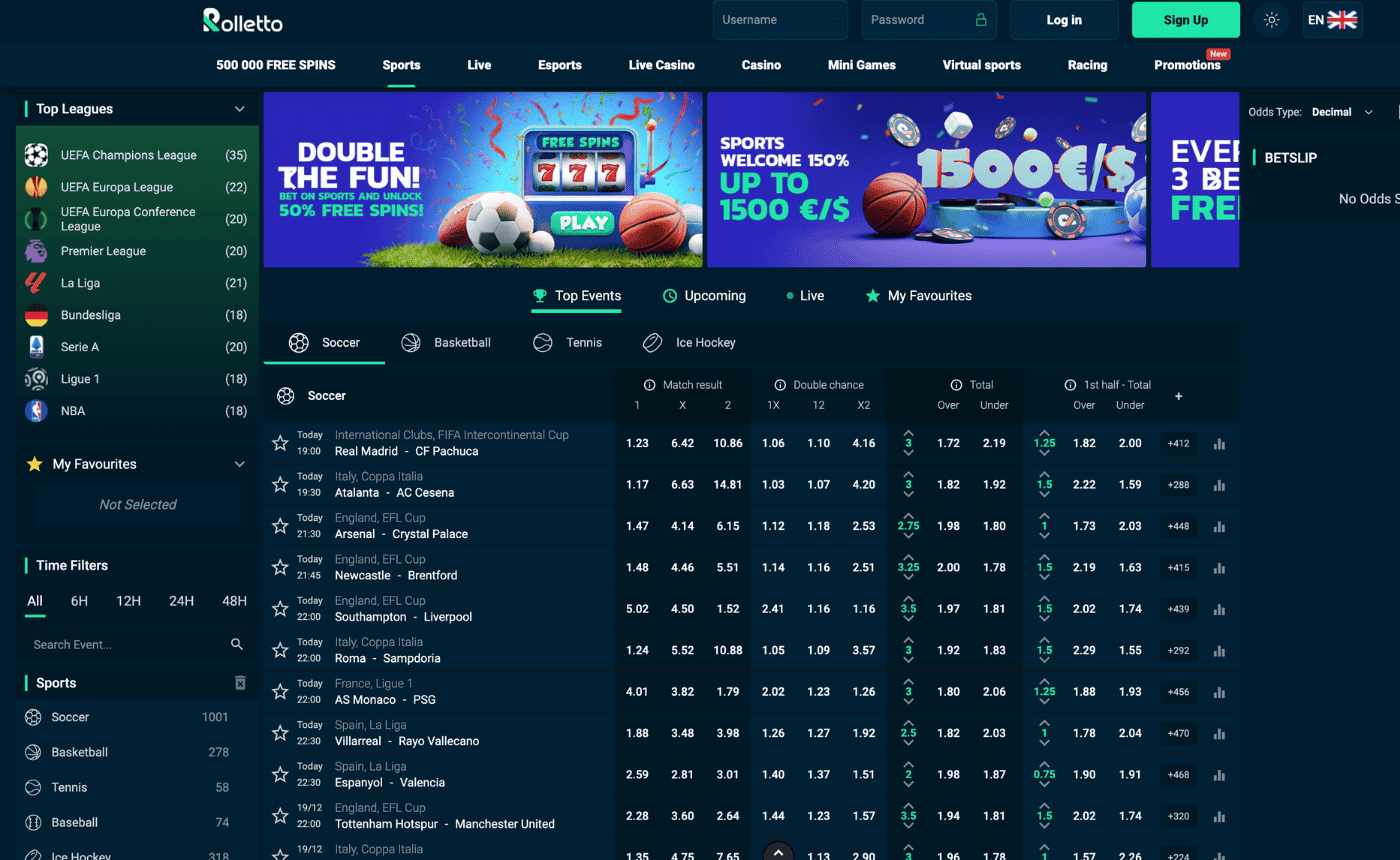
- Attractive Bonuses: Another perk is the lucrative promotions and bonuses typically offered by non GamStop sites. These sites often provide enticing welcome bonuses, cashback offers, and free spins to attract new players and retain existing ones.
- Positive Gaming Environment: Non GamStop casinos tend to foster a positive gaming environment free from the pressure associated with self-exclusion. This can lead to a more enjoyable and relaxed gambling experience.
How to Choose a Non GamStop Gambling Site
With numerous non GamStop gambling sites available, selecting the right one can be overwhelming. Here are some factors to consider:
1. Licensing and Regulation
Always check whether the gambling site is licensed and regulated by a reputable authority. A site with a valid license ensures that it operates fairly and securely, providing you with a safe gaming environment.
2. Game Selection
Look for platforms that offer a diverse selection of games. This can include classic slots, video slots, table games, and live casino options. A wide range of choices will enhance your overall gaming experience.
3. Payment Options
Consider the payment methods available on the site. It’s crucial to choose a platform that supports your preferred payment method, whether it be credit/debit cards, e-wallets, or cryptocurrencies. Additionally, check transaction times and fees associated with deposits and withdrawals.
4. Customer Support
Reliable customer support is essential. Ensure that the site provides comprehensive assistance through multiple channels, such as live chat, email, and phone. Test their response times and the quality of service before committing.
5. User Reviews
Reading user reviews can provide insight into the site’s reputation and reliability. Look for feedback from other players regarding their experiences, especially concerning payouts and customer service.
Popular Non GamStop Gambling Sites
Here is a shortlist of some popular non GamStop gambling sites that players enjoy:
- Casino-X: Known for its vast selection of games and generous bonus offers, Casino-X provides a seamless real-money gambling experience.
- Sloto’Cash: A favorite among players, Sloto’Cash offers a wide array of slots and an appealing loyalty program.
- Red Stag Casino: Recognized for its excellent customer service and diverse game selection, Red Stag Casino is a great option for non GamStop players.
Conclusion
Non GamStop gambling sites provide a valuable alternative for players seeking an unrestricted and enjoyable gaming experience. With diverse game selections, attractive bonuses, and a positive environment, these platforms cater to the desires of many gambling enthusiasts. Always remember to gamble responsibly and choose sites that prioritize your safety and gaming enjoyment. By considering the factors mentioned above, you can confidently make an informed decision for your next gaming adventure.